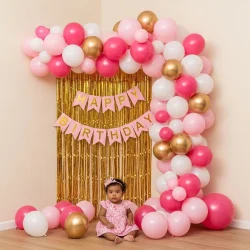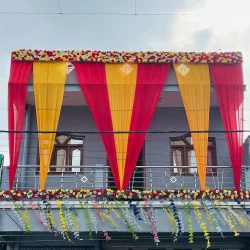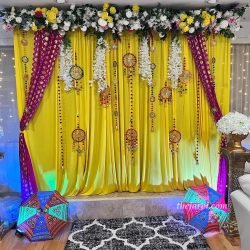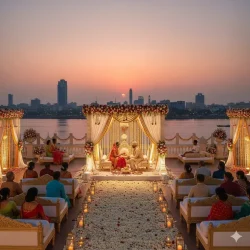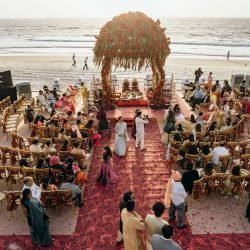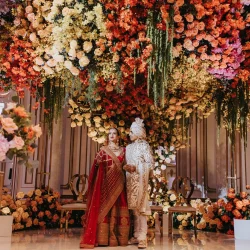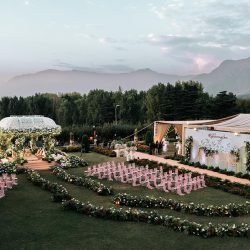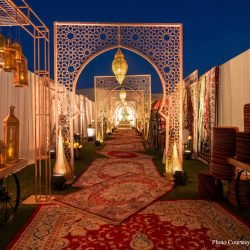
In today’s fast-moving world, celebrations are no longer just social gatherings; they have become carefully curated experiences. Whether it is a corporate event, a wedding, a brand launch, or a milestone celebration, expectations are higher than ever. Guests look for seamless coordination, flawless execution, and memorable moments that feel both magical and meaningful.
Behind every successful celebration lies something invisible yet powerful — process-driven planning. Delivering structured celebrations through process-driven planning does not limit creativity; instead, it provides a reliable framework within which creativity can flourish.
The idea of structured celebrations may sound formal at first, but structure actually allows joy to unfold naturally. When planning is built around a clear and systematic process, events become predictable in the best possible way. Organizers face fewer surprises, while guests experience delightful moments that appear effortless.
Process-driven planning transforms chaos into coordination and ideas into impactful experiences. It ensures that every element — from lighting and décor to guest management and event timing — works together in harmony. This method applies systematic project management principles to event planning, ensuring consistency, reducing stress, and maximizing overall impact.
Understanding the Power of Process-Driven Event Planning
Process-driven event planning involves breaking down a large and complex celebration into manageable stages. Instead of relying only on last-minute decisions or instincts, planners follow a structured system that includes:
- Concept development
- Budget planning
- Vendor coordination
- Logistics management
- Event execution
- Post-event evaluation
This systematic approach reduces risks and improves results.
In structured celebrations, every detail has a purpose. The invitation design reflects the theme, the stage setup complements the program flow, and the entertainment aligns with the audience profile. These outcomes are not accidental; they are the result of thoughtful and strategic planning.
When teams operate within a clearly defined framework, communication becomes clearer, responsibilities are well distributed, and accountability increases. As a result, the entire event ecosystem functions as a coordinated unit working toward a shared goal.
Why Structured Celebrations Matter in Modern Events
Modern audiences are more aware and more demanding than ever before. They notice small inconsistencies, appreciate thoughtful details, and expect smooth transitions throughout the event.
Structured celebrations meet these expectations by ensuring that every element of the event is planned in advance. A process-driven approach builds confidence not only among clients but also among event teams. When everyone understands the timeline, deliverables, and contingency plans, stress levels decrease significantly.
Instead of constantly solving unexpected problems, teams can focus on improving the guest experience. This shift from reactive planning to proactive planning is what separates ordinary events from truly memorable ones.
In corporate environments, structured celebrations also reflect brand professionalism. A well-organized annual function or product launch demonstrates reliability and strong brand identity. Similarly, in personal celebrations such as weddings or anniversaries, structured planning ensures that emotional moments are not disrupted by logistical confusion.
The Foundation of Structured Event Planning
Delivering structured celebrations begins with clarity of purpose. Every event starts with a vision, but that vision must be converted into actionable steps.
The first stage involves understanding the objective of the event. The purpose might be to celebrate, promote a product, reward employees, or inspire participants. Once the objective is defined, planners can create a roadmap that aligns with the event’s core intention.
Budget planning also plays a critical role in structured celebrations. A well-organized system categorizes expenses, prioritizes important elements, and allows flexibility where needed. Instead of overspending in one area and compromising another, resources are allocated strategically.
Vendor coordination is another essential pillar. Events involve multiple stakeholders such as caterers, decorators, sound engineers, and performers. A structured approach ensures clear agreements, defined timelines, and effective communication. When vendors understand their roles within the larger system, execution becomes smoother and more reliable.
Balancing Creativity with Structure
One common misconception is that structured planning limits creativity. In reality, structure enhances creativity.
When planners are confident about logistics and timelines, they gain more freedom to design unique and imaginative experiences. Structured celebrations allow creative ideas to be implemented without operational disruptions.
For example, in theme-based events, creativity can easily fail without proper coordination. However, when the design concept is supported by a systematic plan, creativity flows seamlessly through décor, lighting, entertainment, and program sequencing.
Structured planning also encourages continuous improvement. After each event, planners analyze feedback and evaluate what worked well and what could be improved. This evaluation process helps professionals refine their strategies and introduce innovative ideas in future celebrations.
Risk Management and Contingency Planning
No event is completely free from uncertainty. Weather conditions, technical issues, vendor delays, or last-minute guest changes can disrupt even the most carefully planned events.
Structured celebrations prepare for such possibilities through proactive contingency planning. Process-driven planning includes risk assessment at every stage. Backup vendors, alternative arrangements, buffer time in schedules, and emergency communication strategies are integrated into the framework.
This preparation builds trust among clients because they know their event is being handled by professionals who anticipate challenges and manage them efficiently. Guests experience uninterrupted enjoyment because potential problems are resolved quietly behind the scenes.
Enhancing Guest Experience Through Structured Flow
At the heart of every celebration lies the guest experience. Process-driven planning ensures that guests move comfortably through every stage of the event.
From arrival to departure, each touchpoint is carefully designed. Entry management, seating arrangements, stage visibility, food service timing, and entertainment scheduling are all organized within a structured timeline.
Smooth transitions between event segments keep guests engaged and eliminate awkward pauses or rushed moments. The celebration feels polished, organized, and professional.
Structured celebrations also make personalization easier. Because the core logistics are well managed, planners can introduce customized elements such as curated performances, interactive installations, or personalized gifts without disturbing the overall event flow.
Technology and Process-Driven Planning
In today’s digital era, technology plays a crucial role in supporting structured celebrations.
Event management software, digital invitations, guest tracking systems, and automated scheduling tools enhance efficiency and transparency. These tools help planners monitor budgets, maintain communication among vendors, and ensure that every team member stays aligned with the timeline.
Technology also generates valuable data such as attendance patterns, guest engagement levels, and feedback insights. This information allows planners to continuously refine their strategies and improve future events.
Building a Professional Reputation Through Structure
For event planners and event management companies, delivering structured celebrations helps build long-term credibility.
Clients remember events that run smoothly and recommend planners who demonstrate organization and professionalism. Over time, a process-driven planning approach becomes a strong marketing advantage.
Consistency is especially important in the event industry. While event themes may change, the quality of execution must remain consistent. Structured planning systems help maintain high standards across all events, strengthening brand identity and client trust.
From Vision to Applause: The Journey of Structured Celebrations
Every successful celebration follows a journey. It begins with an idea, grows through strategic planning, takes shape through coordinated execution, and concludes with appreciation and applause.
Process-driven planning acts as the backbone of this journey. Structured celebrations are not about making events mechanical; they ensure that every emotional moment is supported by a strong and reliable foundation.
When logistics are secure, creativity shines brighter. When systems are clear, teams perform more effectively. When planning is disciplined, celebrations feel effortless.
In a world where expectations continue to rise, delivering structured celebrations through process-driven planning is no longer optional — it is essential. It transforms events into experiences, ideas into reality, and gatherings into unforgettable memories.