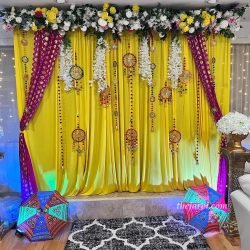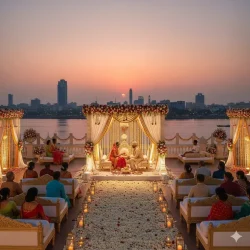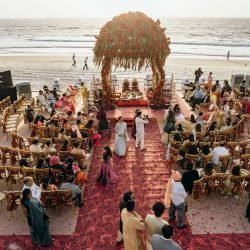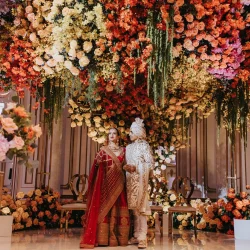
In the modern event industry, the words “organizing” and “orchestrating” are often used interchangeably, yet they represent two completely different levels of expertise. While organizing focuses on managing tasks, timelines, and logistics, orchestrating goes much deeper into the emotional, visual, and experiential flow of an event. From the perspective of Shine & Glow Event Planner, this distinction is not just semantic; it is the foundation of how truly memorable events are created.
Clients today do not simply want an event that runs on schedule. They want an experience that feels seamless, elegant, and emotionally engaging. This is where the transition from organizing to orchestrating becomes essential, especially in high-impact celebrations such as weddings, corporate events, and luxury social gatherings. From the perspective of Shine & Glow Event Planners, while organizing is about the methodical, structural preparation of an event, orchestrating is the art of directing the live experience, transforming those prepared elements into a seamless, emotional, and memorable performance.
What Organizing Really Means in Event Planning
Organizing is the structural backbone of any event. It involves scheduling vendors, confirming bookings, arranging logistics, handling budgets, and ensuring every checklist item is completed on time. It is systematic, process-driven, and largely operational. An organized event planner ensures that the venue is booked, the caterer arrives on time, the décor is installed correctly, and the program follows the planned sequence. This level of management is necessary and non-negotiable because without organization, even the most creative event concepts would collapse into chaos.
However, organization alone does not guarantee that guests will feel emotionally connected to the event or remember it long after it ends. Organizing in event planning goes far beyond simply arranging logistics; it is the comprehensive, systematic, and strategic process of transforming a vision into reality. It involves assembling resources, managing stakeholders, mitigating risks, and ensuring that every detail—from the initial concept to post-event evaluation—aligns with the client’s core objectives. From the Shine & Glow event planner perspective, organizing is only the first layer of professional execution.
It is the visible system that keeps everything in motion, but it does not define the soul of the event. Many planners can organize efficiently, but only a few can elevate an event into a coordinated experience that flows naturally from beginning to end.
The Art of Orchestrating – Where Strategy Meets Experience
Orchestrating an event is a far more advanced and creative process. It is about designing the emotional journey of the audience while ensuring every element aligns with a central vision. Orchestration involves timing not just the schedule but the mood transitions, visual storytelling, lighting ambiance, and guest engagement. When Shine & Glow approaches an event, the goal is not merely to execute tasks but to craft a synchronized experience where décor, music, stage design, and guest flow all work together harmoniously.
“The Art of Orchestrating Where Strategy Meets Experience” refers to the deliberate, collaborative process of aligning an organization’s high-level business strategy with the tangible, day-to-day moments that customers interact with, creating a seamless, concerted experience. It moves organizations beyond simply creating products to creating cohesive, end-to-end customer journeys.
Unlike basic organization, orchestration requires anticipation. It demands an understanding of how guests will move, react, and interact within the space. It also requires adaptability, because live events are dynamic environments. A true orchestrator ensures that even unexpected changes feel intentional and seamless, preserving the overall elegance and impact of the event.
Why Clients Often Confuse Organizing with Orchestrating
Many clients initially believe that hiring an event planner is about managing logistics. They focus on checklists, vendor coordination, and scheduling, assuming that if everything is arranged properly, the event will automatically be successful. However, Shine & Glow has consistently observed that well-organized events can still feel flat if they lack emotional rhythm and creative cohesion. This confusion arises because organization is visible, while orchestration operates behind the scenes.
An organized event may run on time, but an orchestrated event creates moments. It transforms a simple entry into a grand arrival, a basic stage setup into a visual spectacle, and a routine celebration into an immersive experience. The difference becomes evident when guests describe the event not just as “well-managed” but as “unforgettable.”
The Shine & Glow Approach to Strategic Event Orchestration
Shine & Glow Event Planner believes that every event should be treated as a live production rather than a checklist-driven project. This perspective shifts the focus from task completion to experience design. Before any execution begins, the team studies the client’s vision, audience profile, and event objectives. This strategic groundwork allows them to design an event flow that feels natural, engaging, and emotionally impactful. Orchestration involves aligning multiple creative and logistical elements simultaneously.
Lighting must complement decor, music must enhance mood transitions, and stage timing must align with audience attention spans. When these elements are synchronized effectively, the event feels effortless—even though it is carefully engineered behind the scenes.
Emotional Flow – The Hidden Power of Orchestrated Events
One of the most defining differences between organizing and orchestrating is emotional flow. Organized events focus on what happens and when, while orchestrated events focus on how it feels and why it matters. Shine & Glow prioritizes emotional sequencing, ensuring that each segment of the event builds anticipation, excitement, and engagement. For instance, the transition from guest arrival to the main ceremony is not treated as a simple timeline shift. Instead, it is designed as an experiential journey where music, lighting, and ambience gradually elevate the mood. This intentional layering of experiences creates a lasting impression that goes far beyond logistical perfection.
Attention to Detail vs. Attention to Experience
Organization emphasizes detail management, whereas orchestration emphasizes experience management. While both require precision, the scope of attention differs significantly. Shine & Glow’s philosophy integrates both approaches but with a stronger emphasis on the guest experience. Every detail—from seating arrangements to stage positioning—is planned not just for functionality but for aesthetic and emotional impact. A well-placed spotlight, a perfectly timed musical cue, or a synchronized stage reveal can transform the entire atmosphere. These are not accidental moments; they are orchestrated outcomes designed with intention.
Vendor Coordination Management vs. Creative Direction
Another key distinction lies in how vendors are handled. In an organized event, vendors are managed according to schedules and deliverables. In an orchestrated event, vendors are creatively directed to align with the event’s vision. Shine & Glow treats every vendor as a collaborative partner in the overall production rather than a separate service provider. This approach ensures consistency in theme, tone, and execution. The décor team understands the lighting concept, the sound team aligns with the program flow, and the catering presentation complements the visual aesthetics. Such alignment transforms a collection of services into a unified event experience.
Crisis Management and Real-Time Adaptability
Live events are unpredictable, and this is where orchestration truly outshines basic organization. Organized planners follow fixed plans, while orchestrators prepare dynamic strategies. Shine & Glow emphasizes proactive planning and real-time adaptability to maintain event quality even when unexpected challenges arise. If a delay occurs or a last-minute change is required, orchestration allows seamless adjustments without disrupting the guest experience. This level of control and flexibility distinguishes a premium event planner from a standard organizer.
Creating Signature Experiences Instead of Standard Events
The modern audience seeks personalization and uniqueness in events. Simply organizing an event according to templates no longer meets client expectations. Shine & Glow focuses on crafting signature experiences that reflect the personality, brand, or theme of the client. This is only possible through orchestration, where storytelling, design, and execution merge into one cohesive experience. Instead of repeating generic formats, orchestrated events introduce customized elements that resonate with the audience. These could include thematic stage concepts, immersive décor installations, or interactive segments that elevate engagement.
The Role of Creativity in Orchestration
Creativity plays a limited role in basic organization but becomes the driving force in orchestration. Shine & Glow integrates creative direction into every stage of planning, ensuring that the event is not just functional but visually and emotionally compelling. Creative orchestration involves designing moments that capture attention, evoke emotions, and enhance the overall event narrative. This mindset allows the team to transform ordinary spaces into extraordinary environments aligned perfectly with the client’s vision.
Long-Term Impact – Memorable vs. Manageable Events
The ultimate difference between organizing and orchestrating lies in the long-term impact of the event. Organized events are manageable and efficient, but orchestrated events are memorable and influential. Shine & Glow’s event planning philosophy focuses on delivering experiences that leave a lasting impression on guests and stakeholders alike. When an event is orchestrated effectively, guests remember the atmosphere, emotional highlights, and flow rather than just the schedule. This memory-driven impact builds brand value, client satisfaction, and strong word-of-mouth recognition.
Elevating Event Planning Through Orchestration
From the Shine & Glow Event Planner perspective, organizing is essential, but orchestration is transformative. Organization ensures structure and reliability, while orchestration brings vision, emotion, and experiential excellence into the equation. In today’s competitive event industry, clients expect more than just well-managed events—they seek immersive experiences that reflect sophistication and precision. By moving beyond basic organization and embracing full-scale orchestration, Shine & Glow delivers events that are not only seamless but also deeply engaging and visually impactful. This approach redefines professional event planning, proving that the true magic of an event lies not in how well it is organized, but in how beautifully it is orchestrated.